Savor the Best Caribbean Food Denver Has in Store
Denver is not the first city most people associate with Caribbean cooking, and that is exactly why the local scene can surprise you. The best Caribbean food in Denver does not rely caribbean food denver on hype or novelty. It wins people over the old-fashioned way, through deep marinades, long braises, the perfume of allspice and thyme, the crackle of a beef patty shell, and the slow-building heat of a pepper sauce that means business.
Anyone who has spent time eating across the Caribbean knows there is no single definition of the cuisine. Jamaican jerk sits in one corner with its smoke and spice. Cuban food brings roasted pork, garlic, citrus, and patient layering of flavor. Puerto Rican kitchens turn out comforting plates built around rice, beans, plantains, and stewed meats. Trinidadian food, when you can find it, offers curries, doubles, and roti that reward a serious appetite. Even a small restaurant menu can carry generations of migration, adaptation, and memory.
That complexity matters when you go looking for caribbean food denver diners actually return to. A good plate should taste specific. It should have a point of view. It should feel like somebody cares how the onions are cooked, how long the chicken sits in marinade, and whether the rice has the right texture. Denver has enough restaurants now that you can be selective, and that is a good thing for anyone who wants more than a colorful menu and a steel drum playlist.
What makes Caribbean food worth seeking out in Denver
The first thing that draws people in is flavor, but the reason they come back is balance. Caribbean food handles contrast exceptionally well. You get sweetness from ripe plantains, acid from lime or vinegar, aromatic warmth from cinnamon and clove, and savory depth from slow-cooked meats and beans. Heat is often part of the picture, but not always the point. Good Caribbean cooking is more nuanced than many diners expect.
Denver’s altitude and climate also make these dishes more appealing than some people realize. A plate of oxtail with gravy, peas and rice, and cabbage can be as satisfying on a cold Front Range evening as any bowl of stew. A Cuban sandwich works beautifully as a lunch that feels substantial without being heavy in the wrong way. On warmer days, a plate with citrus-marinated chicken, black beans, and tostones can hit exactly the right note.
There is another reason the category matters here. Cities like Denver are often judged by their strongest mainstream offerings, steak, beer, green chile, maybe a polished tasting menu or two. But the health of a food city also depends on its immigrant and family-run kitchens. Caribbean restaurants tend to bring both intimacy and technique. Many of them are places where recipes have survived distance, ingredient substitutions, and difficult economics. When they succeed, they widen the city’s palate.
The flavors to watch for on a great plate
A lot of diners think they know what they are ordering when they see terms like jerk, curry, or beans and rice. Sometimes they do. Sometimes they do not. The version you get at a serious Caribbean kitchen is often much more layered than the simplified restaurant shorthand suggests.
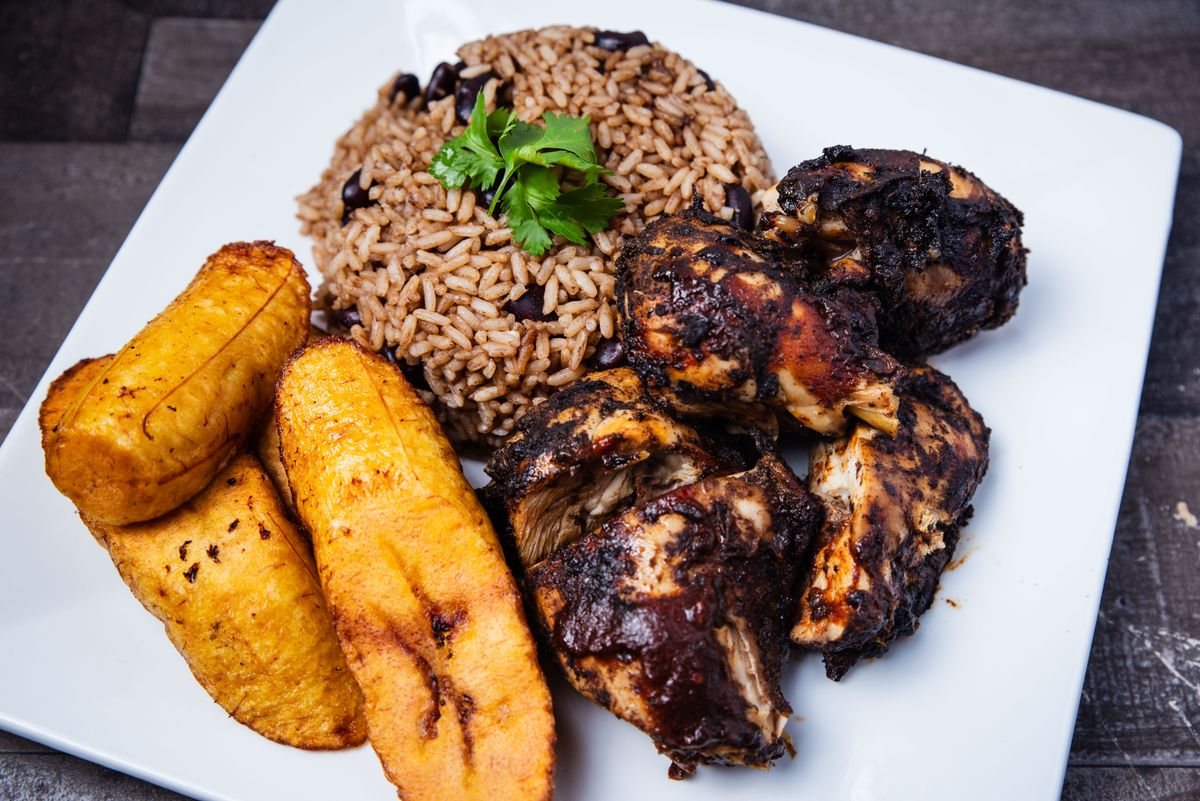
Jerk, for example, should not just mean spicy grilled chicken. At its best, it carries smoke, pimento, scallion, thyme, garlic, ginger, and chile in proportions that taste alive rather than blunt. If a place serves jerk that only tastes of heat or bottled sauce, it is missing the soul of the dish.
Rice is another useful clue. Across many Caribbean traditions, rice is not filler. It is seasoned, structured, and integrated into the plate. In Jamaican cooking, rice and peas should have aroma and body, not just salt. In Cuban cooking, black beans should taste slowly developed, not poured out of a can and dressed at the last minute. In Puerto Rican food, yellow rice should carry color and savory depth without turning greasy.
Texture matters just as much as seasoning. Plantains should be handled with care. Sweet plantains need enough caramelization to soften and deepen, while tostones should have crisp edges and a creamy center. A beef patty should shatter slightly when bitten. Braised meats should yield without collapsing into mush.
Those details are not fussy concerns. They are often the difference between a meal you vaguely enjoy and one you remember a week later.
How to read a Caribbean menu like someone who has been there before
If you are new to the cuisine, the smartest move is to order in a way that gives the kitchen room to show off. The signature items are usually signature for a reason. Restaurants often build their reputations on a few dishes they can Reggae Pot Jamaican Grill caribbean food denver execute consistently.
Here are the plates most likely to tell you whether a spot is worth revisiting:
- Jerk chicken or pork, because marinade, smoke, and restraint are hard to fake
- Oxtail, because long braises reveal patience and kitchen discipline
- Curry goat or curry chicken, because spice balance shows real judgment
- Roti or patties, because dough exposes technique fast
- Rice, beans, and plantains, because sides often reveal whether the kitchen cuts corners
That short list is not universal. A Cuban counter-service spot may live or die by its lechón, its Cuban sandwich, or the quality of its black beans. A bakery or snack-focused place may be strongest in patties, coco bread, or sweets. Still, the logic holds. Order where the restaurant has to prove something.
One practical tip from experience, especially with newer or smaller operations, is to ask what sold well that day. Family-run places often make certain dishes in limited quantities, and the answer can be useful. If the person taking your order says the curry goat is almost gone by midafternoon, that tells you something. If they nudge you toward the stewed chicken because it just came off the stove, listen.
Jamaican flavors often lead the conversation
Among the various regional styles, Jamaican food tends to have the strongest foothold in many American cities, and Denver is no exception. That is partly because jerk is such an effective ambassador. It smells incredible, looks inviting, and appeals to people who think they want spice and to people who actually do.
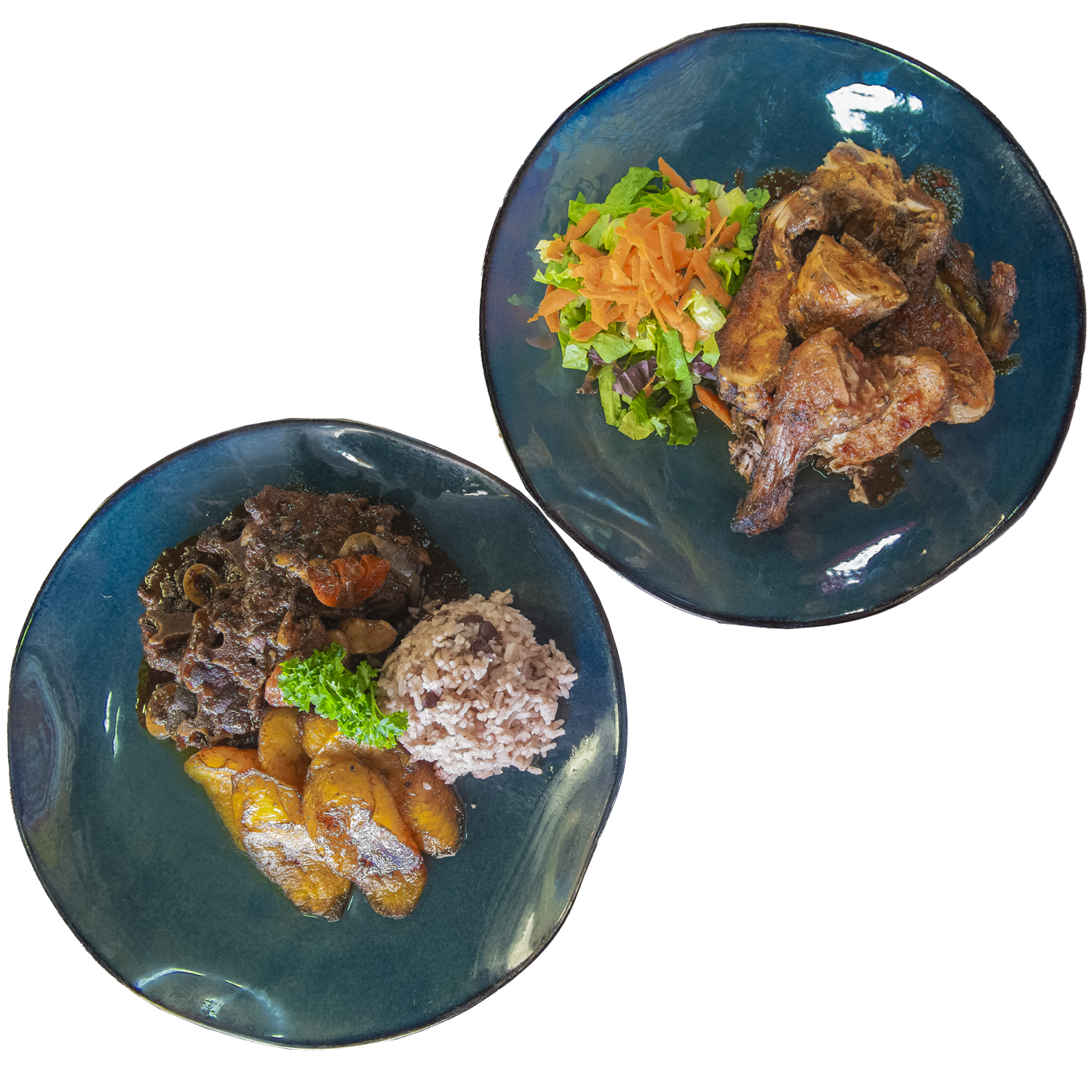
But Jamaican cooking is much broader than jerk. A proper oxtail plate can be one of the most satisfying meals in town, all glossy gravy and slow-cooked richness, usually paired with rice and peas that absorb every spoonful. Curry goat, when done right, has a rounded, aromatic warmth rather than a sharp blast of curry powder. Brown stew chicken can be humble and excellent, particularly when the sauce carries sweetness from browned onions and depth from time.
Then there are the smaller pleasures. Festival, a slightly sweet fried dough, brings contrast to spicy meats. Beef patties make sense at almost any hour and can serve as a quick lunch if you are on the move. Sorrel, ginger beer, and rum cake can round out the experience in ways that make a restaurant feel complete rather than narrowly focused.
When people talk about finding the best caribbean food denver has available, they often start with Jamaican spots because the flavors are bold and easy to crave. The better question is whether the restaurant shows care across the whole plate. It is not difficult to season chicken aggressively. It is harder to keep the cabbage fresh, the gravy balanced, and the rice fragrant batch after batch.
Cuban food has a different kind of confidence
Cuban cooking tends to be less about fire and more about depth, acidity, and repetition done well. There is a quiet confidence to a good Cuban restaurant. It does not need to overwhelm you. Instead, it wins with roast pork that tastes properly marinated, yuca softened just enough, and black beans that seem simple until you notice how much flavor they carry.
The Cuban sandwich is the obvious entry point in Denver, and there is no shame in starting there. A good one needs crisp pressed bread, enough mustard and pickles to cut the richness, and pork that still tastes like pork rather than generic roasted meat. The ham matters, the cheese matters, and the bread matters more than most people think. Too soft, and the sandwich turns flat. Too hard, and the whole thing feels forced.
Plates built around lechón, picadillo, or ropa vieja can tell you even more about the kitchen. These are dishes that depend on patience and seasoning rather than spectacle. A strong Cuban operation also tends to do sides exceptionally well. Black beans, rice, maduros, and croquettes should feel like reasons to order, not obligations attached to the main dish.
Denver diners sometimes overlook these quieter strengths because they are not as dramatic as a bright-red jerk sauce or a steaming curry. That is a mistake. Some of the most rewarding Caribbean meals in the city are the ones that let garlic, citrus, onions, and long cooking do the work.
Puerto Rican and Trinidadian dishes deserve more attention
If you come across a Puerto Rican or Trinidadian menu in Denver, do not treat it as a backup option. These traditions bring their own identity and are worth seeking out on purpose.
Puerto Rican food can be deeply comforting. Pernil, arroz con gandules, pasteles, alcapurrias, and mofongo all carry a sense of home cooking that translates beautifully in a restaurant setting when the kitchen takes the time to do them properly. Mofongo, especially, is a dish people either fall for immediately or need a second try to appreciate. The texture is dense and savory, built from mashed fried plantains, often with garlic and pork. When it comes dry or underseasoned, it can disappoint. When it is made with care and paired with a flavorful broth or saucy protein, it becomes one of the most distinctive plates in the Caribbean canon.
Trinidadian cooking rewards curiosity. Doubles, if you find a version worth its salt, are one of the great hand-held foods anywhere, soft bara bread wrapped around curried chickpeas with tamarind and pepper sauces playing against each other. Roti can be equally memorable, especially when the bread stays tender and the filling tastes fresh rather than held too long. These dishes can look casual, even modest, but they depend on technique at every stage.
The challenge in Denver is not that these foods are unappealing. It is that they are less common, sometimes less visible, and often run out when demand outpaces production. That rarity makes them more worth chasing, not less.
What Denver does differently, and why that is not always a problem
Every city shapes imported cuisines in subtle ways. Ingredient supply, customer expectations, labor costs, and kitchen size all influence the final plate. Denver is no different. You may notice slightly milder spice levels, menus that blend several island traditions under one roof, or side offerings adjusted for a broad local audience.
Purists sometimes criticize this kind of adaptation too quickly. Not every variation is dilution. Sometimes it is survival. A smaller restaurant may need to serve a wider range of dishes to stay open. A chef may use what is available seasonally or what a distributor can deliver consistently. The question is not whether a plate mirrors one exact memory from Kingston, San Juan, or Port of Spain. The question is whether it tastes coherent, respectful, and skillfully made.
That said, there are trade-offs. Broad menus can stretch a kitchen thin. Fusion language can hide inconsistency. Bright décor can distract from average food. Denver diners should be open-minded without dropping their standards. If the plantains are greasy, the curry one-note, or the rice stale, atmosphere will not save the meal.
How to find the places locals trust
The most reliable Caribbean restaurants in Denver often build loyalty quietly. They may not have the slickest branding or the largest dining room. Some work as takeout-first operations. Others feel more like neighborhood anchors than social media darlings. That is often a good sign.
A crowded lunch rush tells you one thing, but so do smaller details. Watch who is ordering. Listen to how regulars speak to the staff. Notice whether people are picking up full family meals rather than a single trendy item. Restaurants that feed communities tend to develop different rhythms from places built mainly for novelty traffic.
Timing can also affect your experience more than people expect. Go too late in the day and the best braised items may be sold out or sitting beyond their prime. Arrive during a chaotic peak and slower dishes may get rushed service. Midday, especially for lunch specials or fresh steam-table items, can be a sweet spot. Weekend afternoons often work well for larger family meals.
If you want a simple framework for choosing wisely, keep these points in mind:
- Prioritize restaurants with a focused menu and a clear regional identity
- Ask which dishes are made fresh daily and which tend to sell out early
- Do not judge a place by heat alone, depth and balance matter more
- Treat sides seriously, because strong kitchens usually nail the basics
- Revisit a good spot for a second dish before deciding what it does best
That last point matters. Many Caribbean restaurants have one or two items that travel beautifully and others that shine only when eaten right away. A sandwich might hold up in the car. Fried plantains may not. Oxtail can taste even better after the steam settles. Patties are best when still warm from the case. If your first order was all takeout fried items on a snowy evening after a long drive home, you may not have met the restaurant at its strongest.
Pairings, portions, and the practical side of ordering
Portion size in Caribbean restaurants can vary wildly, but hearty plates are common. It is easy to over-order if you are adding patties, sides, and drinks out of enthusiasm. That is not necessarily bad news, because many braised dishes reheat well, but it helps to be strategic.
For a first visit, one plate and one side is usually enough for a single diner unless you are very hungry. If you are sharing, a smarter move is to order contrasting mains. One braised dish, one grilled or fried item, then split plantains or another side. This gives you a clearer sense of the kitchen’s range.
Drinks deserve more attention than they usually get. House-made ginger beverages, tropical fruit juices, and sorrel can add brightness and cool the palate. Desserts, if available, are often worth trying, especially rum cake, flan, sweet breads, or coconut-based sweets. A restaurant that bothers to make these well is often serious about the rest of its menu too.
There is also the matter of spice tolerance, which people routinely misjudge. Some kitchens tone things down for a broader audience, but others assume you know what you are asking for when you request extra heat. Scotch bonnet and similar peppers bring both fruit and force. Ask questions if you need to. There is no glory in flattening your palate halfway through an otherwise excellent meal.
Why this cuisine keeps earning loyal followings
Caribbean food has a particular way of turning first-time customers into regulars. Part of it is the flavor, obviously, but part of it is emotional. These dishes often carry warmth in more than one sense. They are generous without being careless. They can be celebratory, but they are just as often about everyday nourishment, the kind of meal that steadies you after a long week.
In Denver, where dining trends can lean polished and fast-moving, that steadiness has value. A memorable Caribbean restaurant gives you food that feels grounded. The best ones are places where the room smells like something has been cooking for hours, where the sauces make sense, where the sides are not afterthoughts, and where the plate in front of you feels like it belongs to a real tradition rather than a marketing category.
That is ultimately what people mean when they talk about the best caribbean food denver has to offer. They are not just naming a cuisine. They are chasing an experience that feels complete. The details matter, the regional differences matter, and the standards should stay high. But the reward is simple enough: a meal with character, generosity, and enough flavor to stay with you long after the table is cleared.
If you approach the city’s Caribbean restaurants with curiosity and a little discernment, Denver will feed you well. Start with the classics, pay attention to the sides, and trust the spots that seem to have earned their regulars. Somewhere between the jerk smoke, the black beans, the fried plantains, and the slow-cooked gravies, you will understand why this corner of the city’s food scene deserves far more attention than it usually gets.
Reggae Pot Jamaican Grill
2243 S Monaco St Pkwy, Suite 104
Denver, CO 80222
(720) 410-2956
FAQ About caribbean food denver
What is a typical Caribbean meal?
Caribbean cuisines vary by island. A Jamaican meal might pair jerk chicken or oxtail with sides such as rice and peas, cabbage, or fried plantains.
What is Jamaica’s national dish?
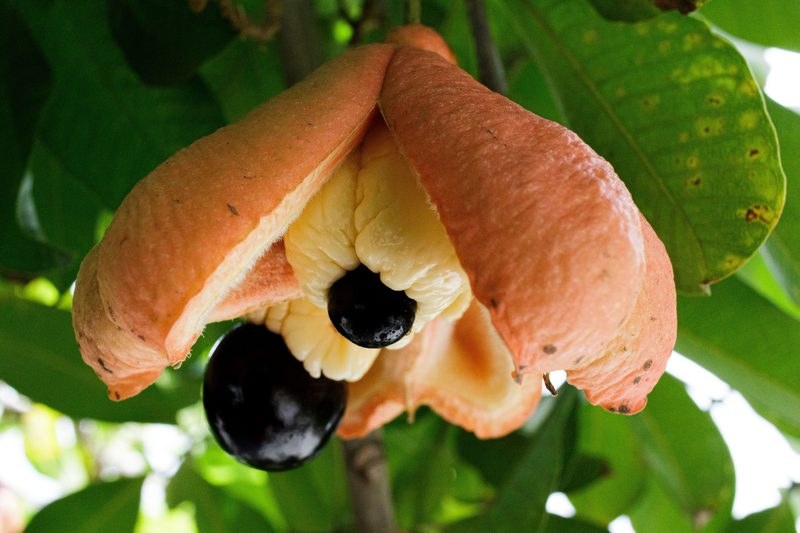
Ackee and saltfish is widely recognized as Jamaica’s national dish. Check the current menu for availability.
Is Caribbean jerk the same as Jamaican jerk?
Jerk is a Jamaican cooking tradition associated with seasoning and slow cooking or grilling. The exact heat level and preparation vary by cook.