Best Caribbean Food in Denver for Curry Goat and Rice
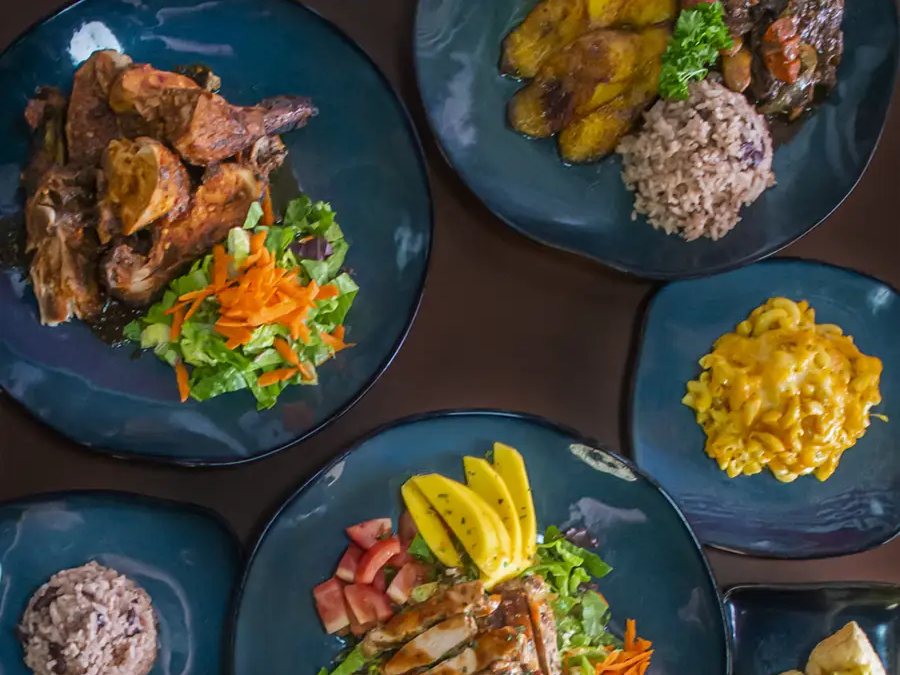
Curry goat and rice is one of those meals that tells you almost everything you need to know about a Caribbean kitchen. If the goat is tender without falling apart into mush, if the gravy has depth instead of just heat, if the rice holds its own rather than serving as filler, you are probably in good hands. That is why, when people ask where to find the best Caribbean food in Denver, I usually start with this plate.
Denver is not the first city most people associate with Caribbean cooking. New York, Miami, and parts of South Florida tend to get that attention, and for good reason. Their Caribbean communities are larger and more visible, and the restaurant scenes reflect that. But Denver has been steadily building a more interesting food landscape than outsiders expect. You can now find Jamaican, Trinidadian-inspired, Cuban, and broader island-influenced menus scattered across the metro area, especially if you are willing to go beyond the most obvious dining districts.
The challenge is that “Caribbean” covers a wide range of traditions. A curry goat plate in a Jamaican kitchen will not taste exactly like one made in a Trinidadian household, and neither one should. Spice blends shift. Browning techniques vary. One cook leans heavier on allspice and thyme, another on turmeric and Scotch bonnet, another on a darker, thicker gravy built from patience and a well-seasoned pot. Rice can mean plain steamed rice, rice and peas, coconut rice, or a side that quietly outshines the meat. So when you are hunting for the best Caribbean food Denver has to offer, it helps to know what makes a great plate worth returning for.
What great curry goat should taste like
The first thing to understand is that curry goat is not supposed to be timid. The best versions carry a full, rounded flavor that starts earthy and savory, then opens into warmth from curry, ginger, garlic, herbs, and chile. You want layers, not just spice. Heat matters, but it should be integrated into the stew, not dumped on top as punishment.
Texture matters even more. Goat is naturally leaner and firmer than beef, and if the kitchen rushes it, the meat can turn stubborn and stringy. Done right, it takes on a spoon-tender texture while still keeping a bit of structure. Good curry goat should pull away from the bone with gentle pressure, but it should not feel shredded or overcooked. There is a narrow sweet spot there, and experienced cooks hit it by respecting time.
The gravy tells the deeper story. In average versions, the sauce tastes flat or one-dimensional, as if the curry powder never had a chance to bloom and the aromatics were not cooked long enough. In strong versions, the gravy clings to the meat and rice with a glossy finish and a deep gold to brown color. You taste the toasted spice, the sweetness from onion, maybe a little richness from fat rendered during the braise, and a slow-building heat that makes you keep going back for another bite.
Rice is not just an afterthought on this plate. If you are served rice and peas, it should be fragrant and distinct, not wet or lifeless. If the kitchen offers plain rice, it should still be properly cooked and able to soak up gravy without collapsing. I have had plenty of curry goat plates where the meat was good but the rice was forgettable, and the meal suffered for it. A serious Caribbean kitchen knows the starch has to carry flavor too.
Denver’s Caribbean scene rewards patience
One of the realities of eating Caribbean food in Denver is that the best meal is not always in the most polished room. Sometimes it is a casual counter spot with steam trays and hand-written specials. Sometimes it is a food truck with a short menu and one dish that clearly gets the most love. Sometimes it is a family-run restaurant where service moves at its own tempo because everything is being finished to order.
That can throw off diners who are used to faster, more standardized experiences. Curry goat is not a dish built for speed. It asks for marinating, browning, simmering, tasting, adjusting, and waiting. If your plate takes a little longer, that is not automatically a bad sign. In many cases, it is the cost of getting something worthwhile.
Denver’s altitude also changes the kitchen equation more than people realize. Slow braises behave differently here. Moisture management, timing, and tenderness all require attention. Restaurants that consistently serve good curry goat in this city deserve some credit for navigating those variables while still delivering flavor and texture that feel true to the dish.
Where the best plates usually separate themselves
When I am trying a new Caribbean restaurant in Denver, I pay attention to a few details before I even sit down with the full meal. The aroma near the pass tells you a lot. If all you smell is generic fried food, that can be a warning sign. If you catch thyme, curry, onion, peppers, and something rich simmering in the background, that is more promising. I also watch what regulars order. In family-owned spots, the people who know the food often skip the safer choices and go straight for the braised meats.
Here are the signs that a curry goat plate is likely to be worth ordering:
- The gravy looks developed and substantial, not watery or fluorescent yellow.
- The meat includes bone-in pieces, which usually means better flavor during the braise.
- The rice appears freshly cooked and separate, not packed into a dry mound.
- The kitchen offers traditional sides like plantains, cabbage, or rice and peas alongside the goat.
- Staff can actually describe the dish, its heat level, and what pairs well with it.
Those details may sound small, but together they separate a serious plate from a rushed imitation.
Why curry goat and rice reveals kitchen standards
A lot of restaurant dishes can be hidden behind sauces, toppings, or novelty. Curry goat cannot. It demands proper butchery, good seasoning, control over braising, and enough confidence to let the dish speak for itself. That is why it is often the meal I recommend when someone wants to test a new Caribbean spot.
Jerk chicken gets more attention, partly because it is familiar and easy to market. Oxtail has become trendy and often expensive. Patties travel well and make a great snack. But curry goat sits in a sweet spot for judging a kitchen. It is labor-intensive enough to show care, traditional enough to reveal whether the food has roots, and humble enough that corners are easy to spot.
The best kitchens also understand balance on the plate. Goat is rich in its own way, even when not fatty. It benefits from contrast. Sweet fried plantains, peppery cabbage, and a spoonful of rice catching the extra gravy create a full meal rather than a single-note experience. A good Caribbean cook thinks in combinations, not isolated items.
The role of rice, peas, and sides
A surprising number of diners focus so intensely on the meat that they ignore what is happening around it. That is a mistake. One of the pleasures of Caribbean food is the way the plate comes together through contrast and layering. Rice and peas, usually cooked with coconut milk, beans, herbs, and seasoning, can soften the sharper edges of a spicy curry. Cabbage adds freshness and a bit of sweetness. Plantains bring caramelized depth and a texture shift that keeps the meal from feeling heavy.
If the kitchen serves plain white rice with curry goat, that is not a disqualifier. Sometimes it is exactly the right choice, especially if the curry is intensely seasoned and you want the rice to act as a clean absorber of sauce. But plain rice has nowhere to hide. It must be cooked correctly. Dry rice turns the plate into work. Mushy rice muddies the entire dish.
I am also cautious about oversized portions that look generous but feel careless. A mountain of rice with a few scattered pieces of goat can be disappointing. You want enough starch to stretch the gravy, yes, but not so much that it becomes a budget trick. Fair balance is one of the clearest signs that a restaurant respects both the dish and the customer.
How to search for the best Caribbean food in Denver without wasting meals
Because the Caribbean restaurant scene in Denver is still developing, the smartest approach is not to chase hype alone. Look for consistency, community support, and menus that show focus rather than trying to cover every island all at once. A place that does six things well usually beats a place that does twenty things adequately.
If you are planning a first visit, this short approach works well:
- Check whether curry goat is a regular menu item or just an occasional special.
- Visit during prime meal hours, when braised dishes are freshest and turnover is higher.
- Ask whether rice and peas is available instead of defaulting to plain rice.
- Order one additional side, usually cabbage or plantains, to judge the kitchen’s range.
- If you like heat, ask for house pepper sauce on the side first, not poured over the plate.
That last point matters. Good curry goat should stand on its own. House sauce should sharpen or personalize the experience, not rescue it.
What to expect from service and atmosphere
A polished dining room is nice, but it is not the main event with Caribbean food. In Denver, some of the most satisfying plates come from places that prioritize the kitchen over interior design. You may find simple seating, limited dessert options, or a small drink selection. If the food is right, I would not hold that against them.
Service styles can also differ from what some diners expect. In family-run restaurants, especially those working with small staffs, warmth often matters more than speed. You might get thoughtful guidance on what to order, a quick explanation of how spicy a dish runs, or a recommendation to mix gravy into the rice before taking your first bite. That kind of interaction counts. It tells you the food is personal, not just transactional.
On the other hand, there are trade-offs. Popular spots can sell out of braised items by late evening. Some restaurants keep shorter hours than mainstream chains. Others may close on days when demand is slow. If you have your heart set on curry goat, calling ahead is not overplanning. It is practical.
Price, portion, and value in Denver
Curry goat is not a cheap dish to produce well. Goat itself is often more expensive and less widely distributed than chicken or pork, and the dish takes time. In Denver, prices can vary quite a bit depending on portion size, neighborhood, and whether the restaurant positions itself as casual or upscale. In general, I pay attention less to the sticker price than to what arrives on the plate.
A fair plate should include enough goat to feel like a real entree, not a side dressed up with rice. The pieces should be meaty, the sauce generous, and the accompaniments intentional. If the portion is smaller but the execution is excellent, I can live with that. If the plate is huge but bland, it is not value. It is volume.
This is where repeat visits matter. Some spots nail the dish one day and miss the mark the next, usually because braised items depend on staffing, prep cycles, and demand. When a restaurant can serve a deeply flavored, tender curry goat plate across multiple visits, that is when I start calling it one of the best options in the city.
A note on authenticity, which is often discussed badly
People throw the word “authentic” around too casually, especially when talking about immigrant food traditions. In practice, what most diners caribbean food denver mean is whether the dish feels rooted, coherent, and respectful of the tradition it comes from. That is a more useful standard.
A Denver kitchen may adapt slightly to local supply chains, customer demand, or staffing realities. That alone does not disqualify it. What matters is whether the core identity of the dish remains intact. Does the curry have the right depth? Is the meat treated properly? Do the sides make sense? Does the plate feel like something cooked by people who know what it should be, not just what they think will sell?
The best Caribbean food Denver offers usually answers yes to those questions. It may not mirror a plate from Kingston, Port of Spain, or another island kitchen exactly, and it does not need to. But it should carry the logic, flavor memory, and cooking discipline of the tradition.
If you are new to Caribbean food, start here
For first-timers, curry goat and rice is an excellent entry point because it showcases Caribbean seasoning without relying on smoke or grill char the way jerk does. It is warming, savory, and approachable, especially if you pair it with a mild side and keep extra heat on the side.
A good first plate usually includes curry goat, rice and peas if available, steamed cabbage, and a few sweet plantains. That gives you a full picture of the kitchen’s strengths: braising, rice cookery, vegetable seasoning, and balance. If the meal is excellent, then on your second visit you can branch out into jerk chicken, oxtail, patties, escovitch fish, or whatever specialty the house is known for.
There is also something deeply satisfying about the way curry goat eats over time. It is one of those dishes that often tastes even better as the plate settles and the gravy sinks into the rice. Leftovers, if you are lucky enough to have them, can be outstanding. That is another quiet mark of quality. A rushed curry falls apart after an hour. A good one keeps giving.
The plate worth chasing
The best curry goat and rice in Denver is not necessarily the one with the loudest marketing or the trendiest address. More often, it is the plate made by a kitchen that understands patience, seasoning, and proportion. It is the one where the goat has been cooked long enough to relax, where the curry tastes toasted and full rather than sharp and powdery, where the rice does real work, and where every side on the plate has a reason for being there.
That is the standard I would use when searching for the best Caribbean food in Denver. Not novelty. Not size alone. Not social media buzz. Flavor first, then texture, then balance, then consistency.
When you find that right plate, you know it quickly. The aroma lands before the fork does. The first bite carries spice, savor, and warmth in sequence. The rice catches the gravy. The meat yields without resistance. The plantains sweeten the edges. For a few minutes, the room goes quiet, because the food has your full attention. That is the meal worth returning for, and in Denver, it is increasingly possible to find it.
Reggae Pot Jamaican Grill
2243 S Monaco St Pkwy, Suite 104
Denver, CO 80222
(720) 410-2956
FAQ About caribbean food denver
What is a typical Caribbean meal?
Caribbean cuisines vary by island. A Jamaican meal might pair jerk chicken or oxtail with sides such as rice and peas, cabbage, or fried plantains.
What is Jamaica’s national dish?
Ackee and saltfish is widely recognized as Jamaica’s national dish. Check the current menu for availability.
Is Caribbean jerk the same as Jamaican jerk?
Jerk is a Jamaican cooking tradition associated with seasoning and slow cooking or grilling. The exact heat level and preparation vary by cook.